Semaglutide, a GLP-1 receptor agonist, is revolutionizing weight management by effectively reducing adipose tissue. However, a key challenge is preserving skeletal muscle mass during rapid weight loss. Trulifemeds emphasizes that achieving a healthier weight should not compromise physical strength or metabolic resilience.
Understanding Muscle Loss on Semaglutide
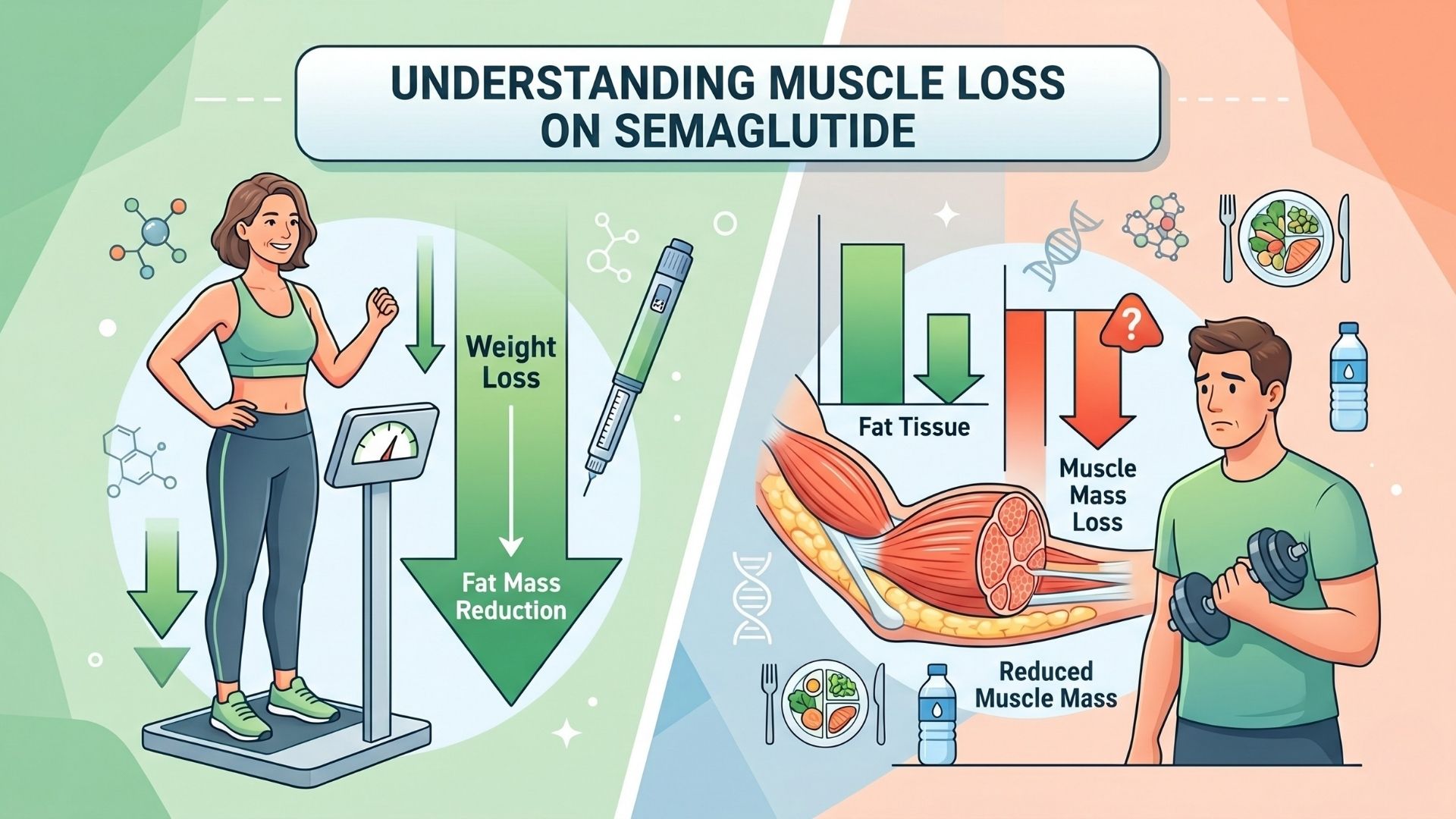
Muscle loss on Semaglutide can occur due to a significant caloric deficit and insufficient macronutrient signaling. Rapid weight loss can lead to the body breaking down muscle for energy, resulting in sarcopenic obesity (high fat-to-muscle ratio at a normal scale weight). Muscle is crucial for the basal metabolic rate.
Semaglutide's effects on gastric emptying and appetite suppression can make it difficult to consume adequate calories and nutrients to sustain muscle mass. Understanding how to prevent muscle loss on Semaglutide is vital for long-term transformation and muscle-sparing weight loss.
The Role of Resistance Training for Weight Loss Injections

Exercise is critical, but resistance training is paramount for protecting lean tissue on GLP-1 protocols. Activities like lifting weights, using resistance bands, or calisthenics provide mechanical tension that signals the body to preserve muscle.
In a caloric deficit, the body may break down metabolically expensive muscle. Regular strength training (3-4 times per week) stimulates muscle protein synthesis and counteracts this, reinforcing lean mass retention strategies and ensuring weight loss primarily comes from fat.
Optimal Protein for GLP-1 Users: Fueling Lean Mass Retention
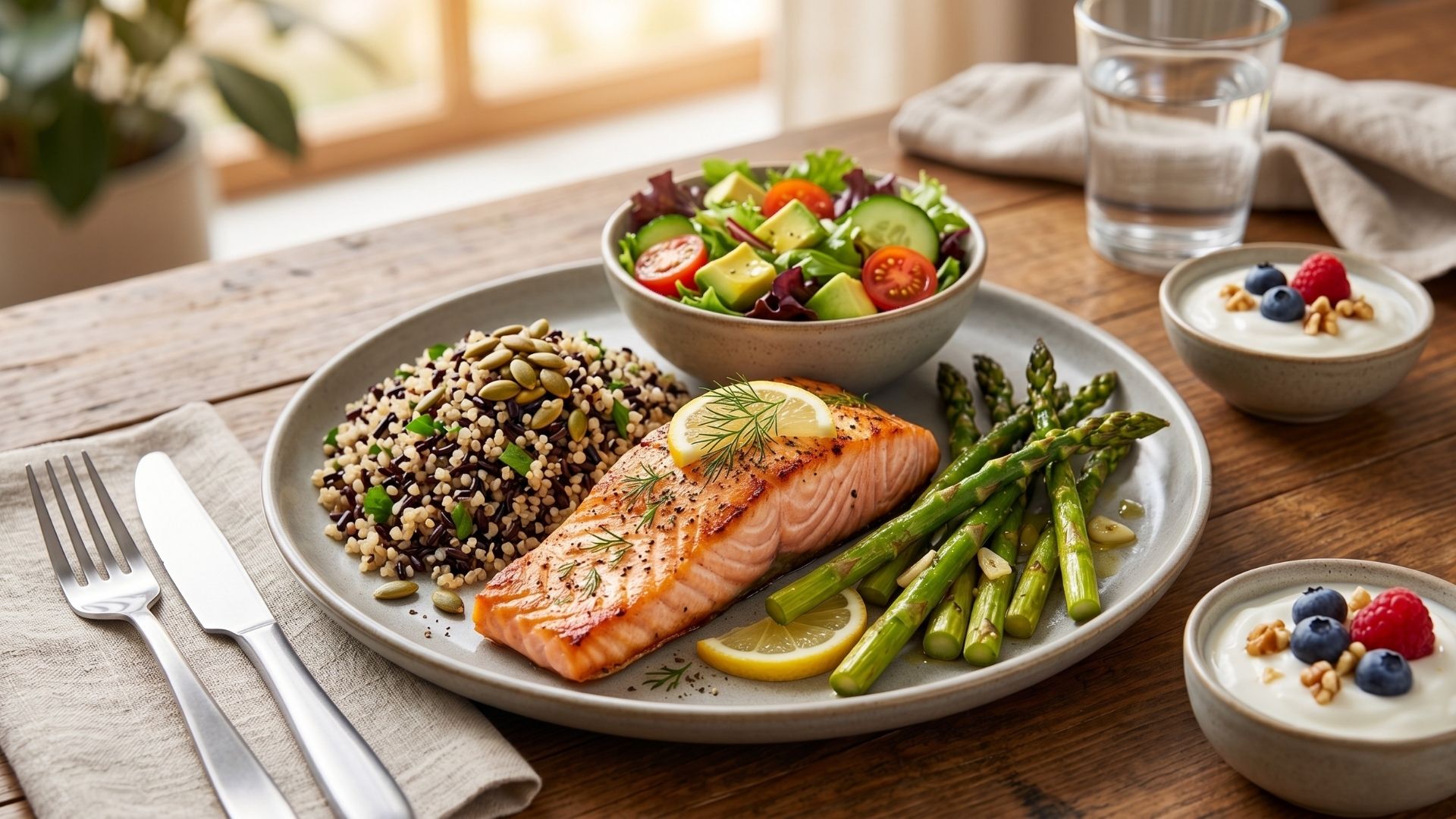
Nutrition is a cornerstone of medical weight loss. Consuming optimal protein for GLP-1 users is essential for muscle-sparing weight loss. Protein provides amino acids, particularly leucine, for muscle repair and building.
Due to increased satiety from Semaglutide, prioritizing protein-dense foods at the start of meals is crucial. A guideline for mitigating muscle loss on Semaglutide is 1.2 to 1.6 grams of protein per kilogram of body weight, with individual needs varying. High-quality sources include lean meats, eggs, Greek yogurt, and whey protein supplements.
The Trulifemeds Difference: A Mission Rooted in Service
Trulifemeds is a veteran-owned, family-operated business committed to its community, operating with discipline, integrity, and a mission-first mindset. As a NaVOBA-certified and service-disabled veteran-owned small business (SDVOSB), they provide expert guidance in specialized health categories.
Their approach to weight-loss injections emphasizes education and clinical excellence, offering a roadmap for long-term health. They treat patients like family, providing resources for body composition, nutrition, and strength preservation. Their veteran identity drives a high standard of service for sustainable results.
Ready to transform your health journey?
Visit Trulifemeds.comThe journey to a healthier weight is a marathon. Prioritizing muscle preservation through resistance training and high protein intake ensures that semaglutide use leads to a stronger, more vibrant self.