What Are Peptides?
Peptides are short chains of amino acids that act as your body's natural signaling molecules directing everything from energy production and tissue repair to hormone release and immune response. They are the biological language your cells use to communicate.

What Are Peptides?
Your body naturally produces hundreds of peptides each with a specific role. They are essentially smaller versions of proteins, made from 2 to 50 amino acids linked in a precise sequence. Because of their small size, they can easily cross cell membranes and interact directly with receptors throughout the body.
As we age, the body's natural peptide production declines. This drop is linked to many of the changes associated with aging: lower energy, slower recovery, reduced muscle mass, thinning skin, and declining cognitive sharpness.
Peptide therapy works by replenishing or supplementing specific peptides your body produces less of over time helping restore the signaling that keeps systems running well.

The Science Behind Peptides
Peptides work by binding to specific receptors on cell surfaces, triggering targeted biological responses. Unlike broad-spectrum hormones, each peptide is designed to act on a precise pathway making them highly selective and well-tolerated by the body.
Published research supports peptide use across a growing number of applications:
- •Growth hormone-releasing peptides (like Sermorelin) stimulate the pituitary gland to produce more natural growth hormone
- •NAD+ precursors support mitochondrial function and cellular energy metabolism
- •Sexual health peptides (like PT-141) act on melanocortin receptors in the brain rather than the vascular system
- •Antioxidant peptides (like Glutathione) support immune defense and cellular detoxification

What Do Peptides Do?
Different peptides target different systems. When prescribed as part of a medically guided protocol, they can support a wide range of wellness goals:
Energy & Vitality
Support mitochondrial function and cellular energy production
Recovery & Repair
Accelerate tissue healing and reduce recovery time after exercise
Hormone Balance
Stimulate natural growth hormone and hormonal signaling
Cognitive Function
Support brain health, focus, and mental clarity
Skin & Collagen
Promote collagen synthesis and skin elasticity
Immune Support
Enhance antioxidant defense and immune regulation
Sexual Health
Improve libido and arousal through targeted receptor activity
Body Composition
Support lean muscle preservation and metabolic efficiency

Who Are Peptides For?
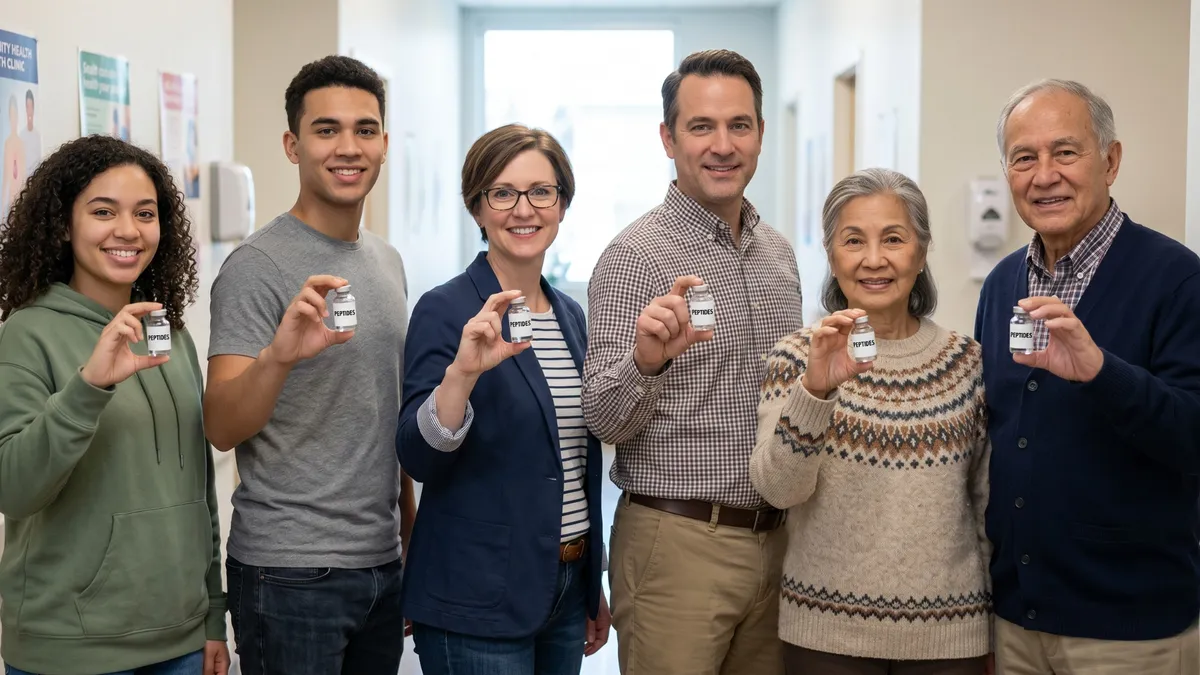
Peptide therapy is not just for athletes or biohackers. Available studies suggest it can benefit a broad range of people anyone experiencing the effects of aging or looking to optimize how they feel and function.
You may be a good candidate for peptide therapy if you're experiencing:
- ✓Persistent fatigue or low energy despite good sleep
- ✓Slower recovery after exercise or injury
- ✓Declining libido or sexual function
- ✓Brain fog or reduced mental sharpness
- ✓Loss of muscle tone or difficulty maintaining body composition
- ✓Visible signs of aging such as skin laxity
- ✓General interest in proactive wellness and longevity
All peptide treatments through TruLifeMeds are prescribed and overseen by licensed medical providers following a full health evaluation.
Ready to Explore Peptide Therapy?
Browse our peptide treatment options or start your medical intake to see if you qualify.